News surf Côte Basque & Landes
Water Pollution in the Basque Country: August 2021
21 September 2023
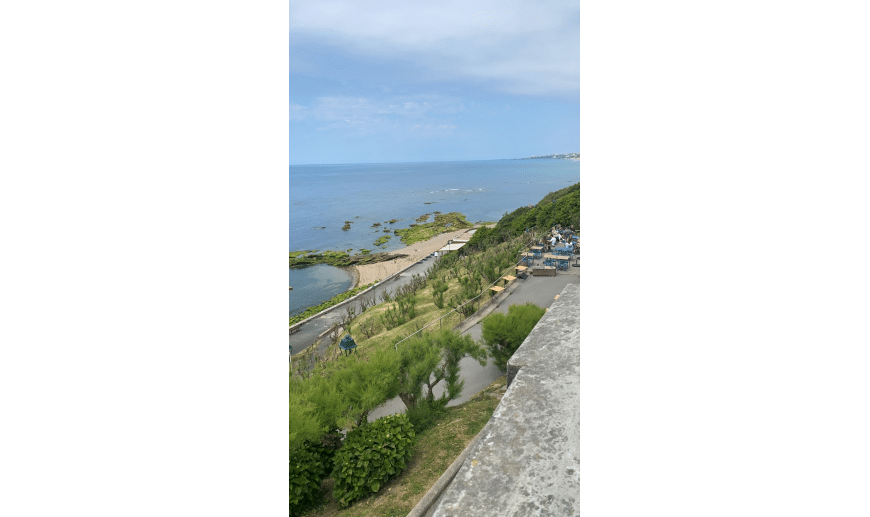
As you’ve probably noticed, most of the beaches along the Basque Coast were temporarily closed last Monday. The reason for these closures is the presence of toxic algae along our coastline, which causes respiratory problems, flu-like symptoms, and skin reactions. The Marty Surf Delivery team is here to provide more information so you can enjoy your vacation safely.
THE ORIGINS OF ALGAE: POLLUTION
Our beaches, which play an economic, social, and recreational role, are increasingly affected by pollution. This is the reason behind Sunday’s order, which led to the ban on swimming. A tweet from the city of Biarritz noted: “algae with a foul odor [that] can cause skin reactions and flu-like symptoms,” and the city even advised people experiencing these symptoms to see a general practitioner.

Local authorities acted very quickly to protect us. They met with the Regional Health Agency that same day to make a decision. In the end, the toxicity levels weren’t too high, so our beaches were reopened. We can continue to surf and visit the most beautiful beaches in the Basque Country.
THE STRUCTURE OF THE ALGAE: OSTREOPSIS SIAMENSIS
After a thorough analysis by the ARS, we were able to determine that the algae is Ostreopsis siamensis. It was a false alarm—it’s just a closely related species, and, more importantly, less toxic than the well-known Ostreopsis ovata found in the Mediterranean Sea. So, unlike the southern coast, we can avoid beach closures and mass poisoning.
To be more specific, this is a type of algae found in the water, but also in sea spray, so it can be harmful to people in the water and on the beach.
This isn’t the first time this species has appeared on our beaches. In fact, the 2018 Ifremer study on Ostreopsis along the Atlantic coast had already identified it, issuing an initial alert last year. In 2016, it had already been recorded in the Spanish Basque Country. We do not yet have enough historical data or research to determine the factors driving its spread. It appears that it establishes itself and proliferates more easily as water temperatures rise—and thus, as a result of pollution.
SYMPTOMS SIMILAR TO THOSE OF COVID-19
Since the onset of the coronavirus, people often suspect they might be infected. Unfortunately for those who have been swimming in recent days, the symptoms of this algae are similar. Surfers, lifeguards, and swimmers have reported fever, sore throat, fatigue, a runny nose, sneezing, coughing, and an unpleasant taste in the mouth. The symptoms are mild, even though they resemble those of COVID-19; they are generally not serious and usually last 3 to 15 days. If you have one or more of these symptoms, don’t hesitate to see a doctor.
The entire team at the ARS (Regional Health Agency) takes daily water samples to ensure that the water quality is good.
If you’d like to stay informed, you can check the website of the town where you plan to go swimming or visit Dr. Barucq’s blog, “Surf Prevention.”
Now that you know all about it, you can enjoy the best waves on the Basque Coast, such as Parlementia (Blog post link).
Enjoy surfing,
Marty